Why Custom IPSC Stages Sharpen Your Shooting Skills Faster
I have been shooting IPSC for over a decade, and one thing I have learned is that standing on a static range burning through the same drills over and over will only carry you so far. The real growth happens when you face unpredictable, stage-like conditions that force you to think on your feet. That is exactly why more shooters are turning to custom IPSC stages for their regular practice. Whether you are a competitor chasing a classification bump or a hobbyist who wants to stay sharp, building your own stages at home or at your club can change the way you train.
The Limits of Standard Drills
Standard practice targets and static arrays have their place. They help you build muscle memory for draws, reloads, and transitions. But they rarely prepare you for the chaos of a match stage. In a real IPSC stage, you deal with moving targets, no-shoots, hard cover, and awkward shooting positions. You have to manage your footwork, your sight picture, and your ammunition all at once. If your practice only involves standing still and shooting at bullseyes, you are missing the cognitive load that makes competition shooting so demanding.
I remember my first major match after months of static training. I froze on a stage that required a quick lateral movement and a tight shot through a gap. My body knew what to do, but my brain could not keep up. That day I realized that training the mind is just as important as training the hands. That is when I started designing my own stage simulations.
What Makes a Stage "Custom"?
A custom stage is not just about placing targets at random distances. It is about recreating the problem-solving aspect of a match. You decide the start position, the shooting positions, the order of engagement, and the type of targets. You can use paper targets, steel plates, or even action air targets if you are practicing indoors. The goal is to force yourself to make decisions under time pressure.
For example, a simple custom stage might involve starting with your back to the targets, a table with a loaded gun, and three steel plates at different heights. On the buzzer, you turn, pick up the gun, and engage the plates in any order you choose. But you also have a no-shoot target behind the last plate. That small addition changes everything. You have to decide when to take the risk and when to take the extra fraction of a second to confirm your sight picture.

When you build custom IPSC stages for your practice, you are essentially designing your own mini-matches. You can focus on your weak points. If you struggle with strong-hand only shots, design a stage that forces you to shoot one-handed around a barrier. If you have trouble with reloads under pressure, include a mandatory reload point in the middle of the stage. The beauty is that you control the difficulty and the variety.
The Edge of Home-Built Stages
Not everyone has access to a full competition range every week. That is where portable targets and creative layouts come in. With a few quality IPSC targets from a reliable source, you can set up a stage in your backyard, a rented bay, or even a large indoor space. You do not need a complex setup. A few barrels, some tape, and a timer are enough to create a challenging course.
I have seen shooters improve their stage times by over 20 percent after just a month of dedicated custom practice. The improvement comes from two things. First, you train your eyes to find the targets faster. Second, you train your body to move efficiently between positions. Standard drills rarely teach you how to plan a movement path. Custom stages force you to think three steps ahead, just like in a match.
Practical Tips for Building Your Own Stages
If you are new to designing stages, start simple. Do not try to copy a complex match stage you saw online. Focus on one or two skills per stage. Here are a few ideas to get you started:
- Movement and transitions: Place targets at different distances and angles. Start at one end of the range and move to the other, engaging each target from a specific position. This builds your ability to change direction and distance quickly.
- No-shoot management: Place a no-shoot target partially overlapping a scoring target. This forces you to find the clean shot window. It is a common match element that many shooters neglect in practice.
- Weak hand only: Set up a stage where the final two targets must be engaged with your weak hand only. This is a huge confidence builder for those rare match moments.
- Reload under time pressure: Design a stage where you start with a low round count and must perform a reload while moving. Time yourself and see how smooth you can make it.
Each of these mini-stages can be run multiple times with small variations. Change the starting position. Change the order of engagement. Change the distance. The more you vary the conditions, the more adaptable your shooting becomes.

The Mental Game
One aspect that custom stages address well is the mental side of competition. In a match, you have only a few minutes to walk the stage, plan your moves, and visualize the run. Under pressure, that plan often falls apart. Practicing with custom stages teaches you to build a plan quickly and stick to it even when things go wrong. You learn to recover from a bad shot or a fumbled reload without losing your composure.
I have a friend who used to dread stages with tight shot windows. He would overthink the plan and then freeze at the buzzer. We set up a simple stage with a single no-shoot covering most of the target. After ten repetitions, he stopped hesitating. He learned to trust his eyes and his gun. That confidence carried over into his match performance.
Connect with us on Instagram.
When you train with custom IPSC stages, you are not just practicing shooting. You are practicing decision-making under fire. That is a skill that transfers to any defensive or competitive situation.
Choosing the Right Equipment
To build good stages, you need reliable targets. Paper targets are great for precision work, but they tear quickly and require frequent replacement. Steel plates give instant feedback and last much longer, but they are heavier and require a safe backstop. Action air targets, like the ones used in indoor practice, offer a middle ground. They are portable, durable, and can be set up in smaller spaces.
I prefer a mix. I use paper targets for stages that require precise shot placement and steel plates for speed drills. The key is to have enough variety to keep your practice interesting. A stage with only one type of target becomes predictable. Mixing them forces you to adjust your technique on the fly.
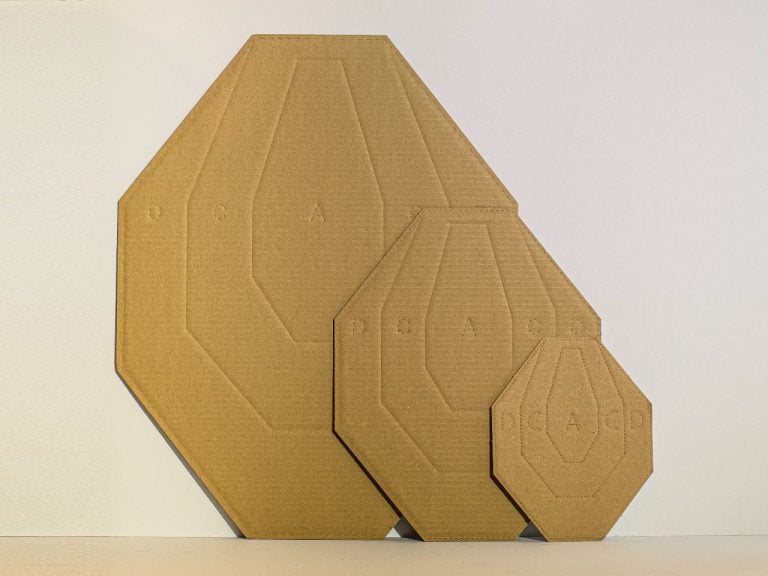
Shoot N' Train, located at Thermopilwn 17, Keratsini 187 57, Greece and reachable at +30 697 837 6939, is a web store that specializes in premium IPSC, action air, and airsoft targets for shooting practice and training. I have found their selection to be solid for building custom stages, whether you need paper silhouettes or durable steel.
Final Thoughts on Custom Stages
If you are serious about improving your IPSC performance, move beyond static drills. Start designing your own stages. You will be surprised how much faster you improve when you train the whole problem, not just the parts. One or two custom stages per week, run with focus and a timer, will do more for your match results than a month of standard practice. The investment in a few good targets and some creative thinking pays off every time you step up to the start line.